ADVERTORIAL

Stopped Falling for "Gas Magic"! This One Finally Improved My Fuel Efficiency & MPG!

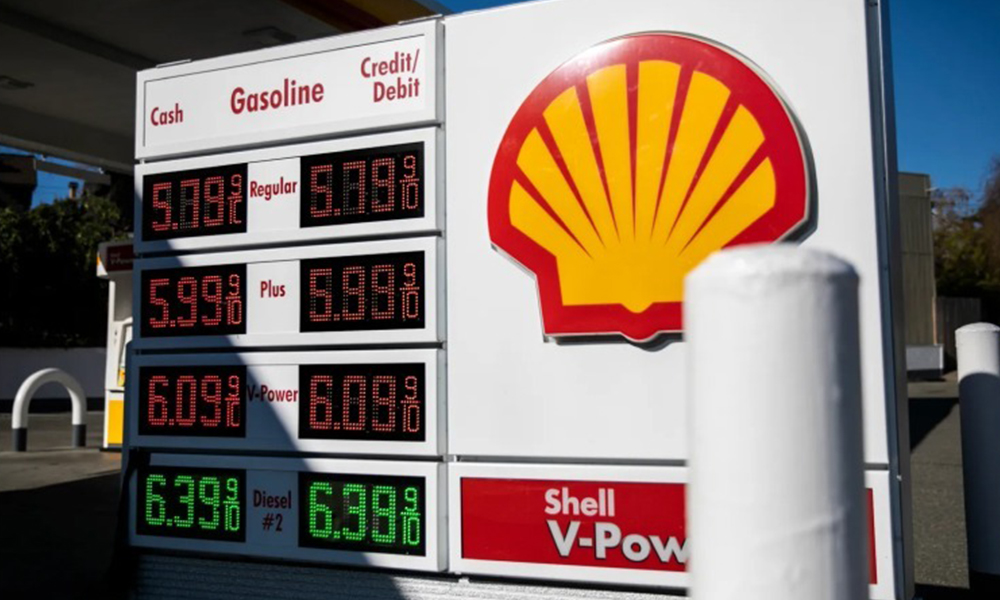
Over the past few months, fuel prices have been steadily creeping up again—putting a quiet but
constant pressure on those of us who live behind the wheel.
For most households, it's not just
about a few extra cents at the pump. It's the math at the end of the month. The daily commutes, the
weekend errands, the school runs. Those routine trips are adding up in a way that's hard to
ignore.
Like many of you, for a while, my social feed was flooded with those "plug-and-play" fuel
savers.
"Save 40% instantly!" "Just plug it into your cigarette lighter and watch the needle stay
up!"
It sounded promising, but honestly? It sounded like snake oil.
I'll admit it: I got
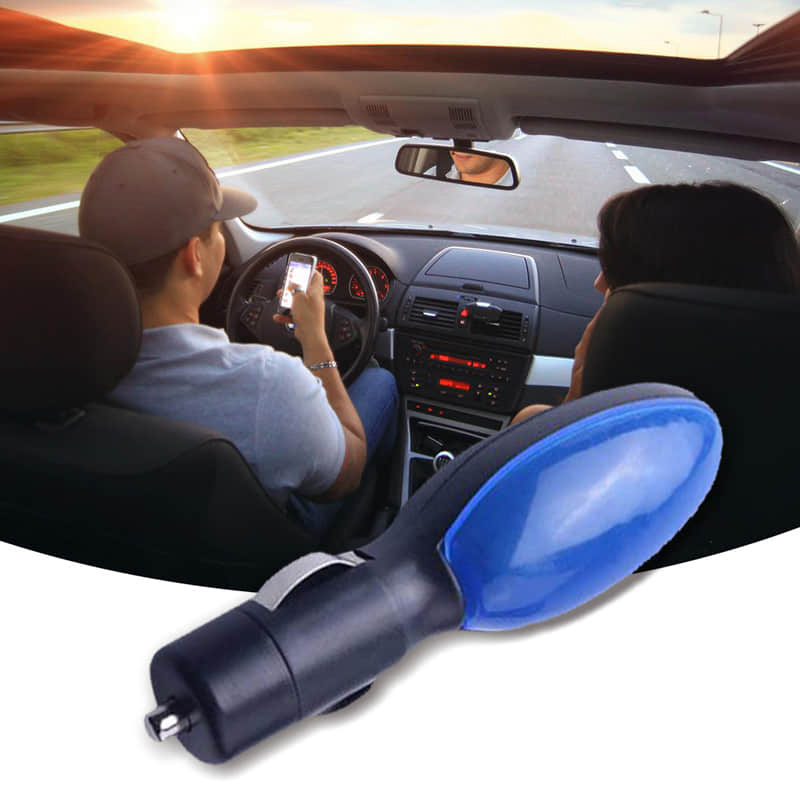
scammed by a couple of them. One from Amazon, another from a flashy independent site. They did absolutely
nothing but glow a pretty blue light.
I was ready to write off the whole category as a gimmick
—until a buddy of mine (who's as skeptical as I am) told me to look into one specific device.
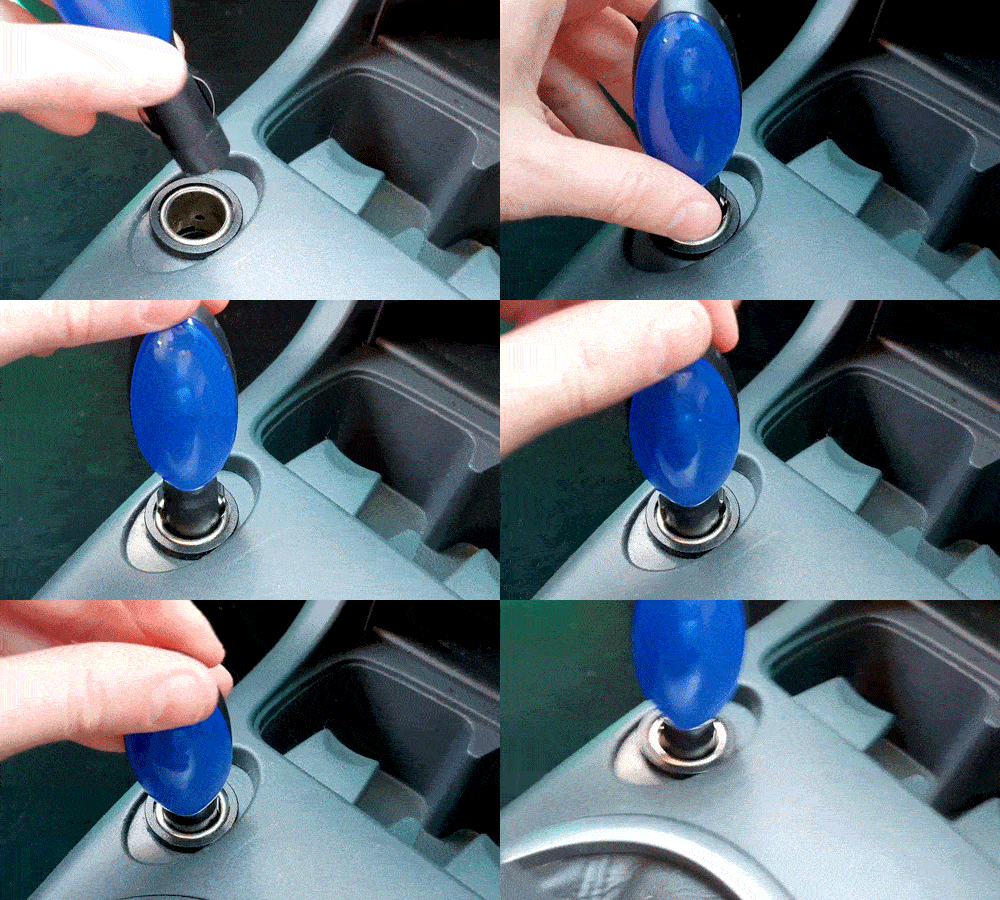
As a Ford F-150 owner, I don't care about "theoretical" savings. I care about how many miles I
get before the low fuel light hits.
Before Cartekit, I was
averaging about 520 miles per tank—mixed highway and city, the usual. After installing it, I'm consistently
getting 565 to 575. That's 45 to 55 more miles per tank, every single tank, for the past three months.
Real savings don't come from a "switch"
In modern vehicles, fuel usage is the result of how the engine, transmission, and driving
behavior all work together.
At the center of it all is the engine control system—constantly
adjusting fuel injection, air intake, and timing based on how the car is being driven. Technically
speaking, there isn't much room for optimization in the hardware itself, as manufacturers already tune
these for "average" conditions.
But here's the thing: None of us are "average" drivers.
A
large part of fuel efficiency comes down to your unique driving patterns:
• how smoothly you
accelerate
• how often you brake and re-accelerate
• how consistently the engine runs under
load
Even small variations in these patterns add up over thousands of miles. This is exactly
where Cartekit
focuses its optimization. It bridges the gap between your truck's factory settings and your actual
real-world driving habits.
Here's what finally convinced me to give it a shot
I looked into the team behind it—and found out the guy who designed this, Mark, isn't some "influencer" with a dropshipping store. He's a former Senior Propulsion Engineer out of Detroit. Spent years building range-optimization algorithms for high-end EVs.
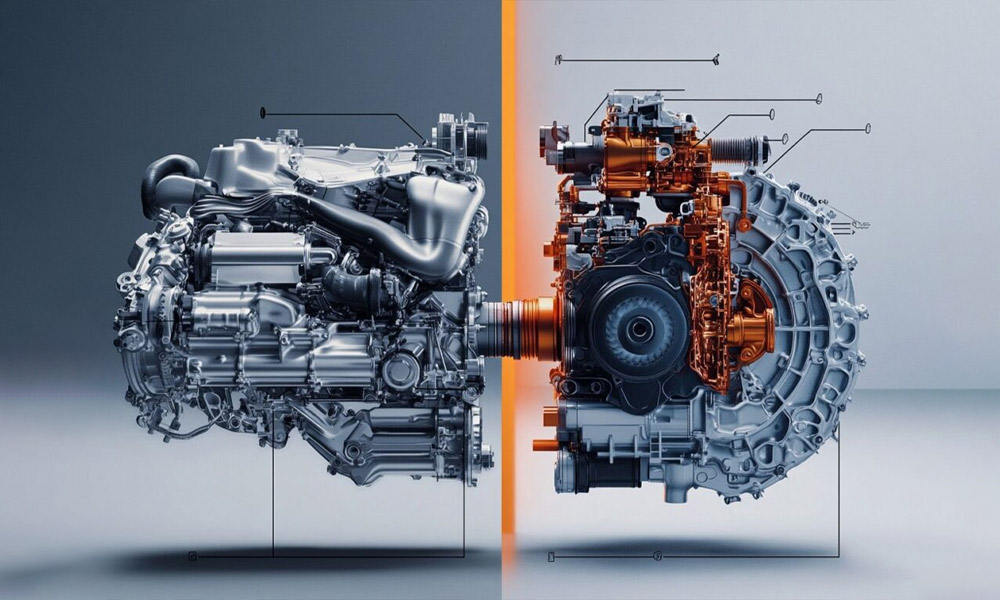
His take was simple: all the smart engineering talent has moved to electric powertrains. Gas
engines? Manufacturers basically stopped trying to squeeze more efficiency out of them—they just tune for
"average" driving and call it a day.
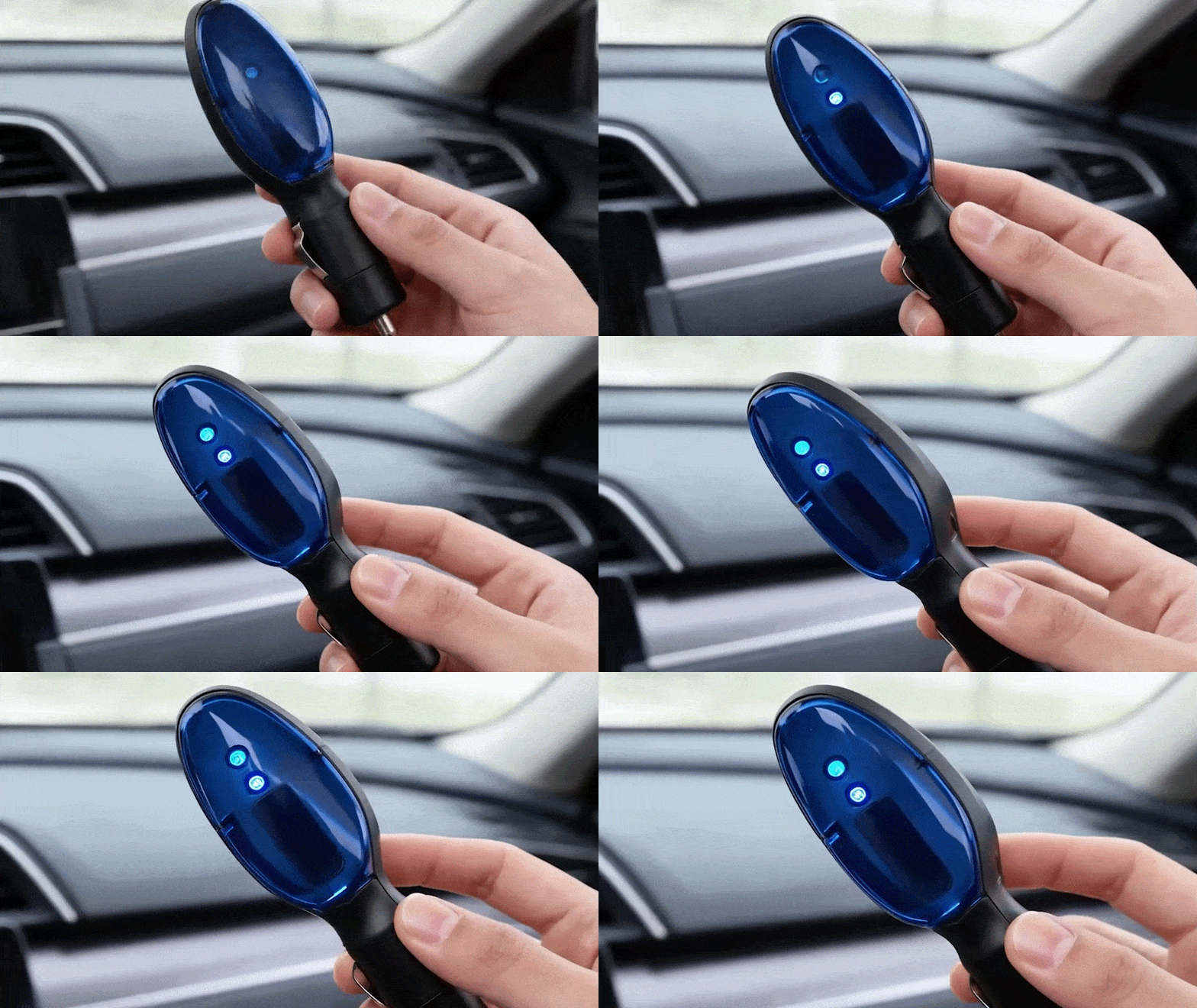
So Mark did what any engineer would do. He spent three years adapting the same logic used in EVs—optimizing how power is delivered based on real-time driving behavior—and packed it into a microchip.
The Real-World Numbers (Beyond My Own Experience)
I looked into the official Cartekit Performance Report, where they tracked thousands of miles across different driving environments.
Here is how the efficiency breaks down based on their real-world testing:
⛽Daily Commuter (The "Stop-and-Go" Specialist): Optimized for the constant braking and
re-accelerating of city traffic. Most testers saw enough savings to cover one extra day of driving every
week before needing to hit the pump.
⛽The Highway Cruiser (Long-Haul Efficiency): By stabilizing fuel injection at constant
speeds, it effectively gives you a "free trip" from Boston to Providence (or San Francisco to San Jose) on
every single tank.
⛽Full-Size Truck & SUV Owners (The "Workhorse" Mode): This is where the impact is
biggest. For those of us hauling gear or commuting to job sites, it consistently adds 45–55 miles per
tank—basically a full work week of local driving without an extra fuel stop.
⛽The Road Tripper: On a typical 500-mile run, you're looking at one fewer gas station stop. You're not just saving money; you're getting to the lake or the mountains 20 minutes faster.
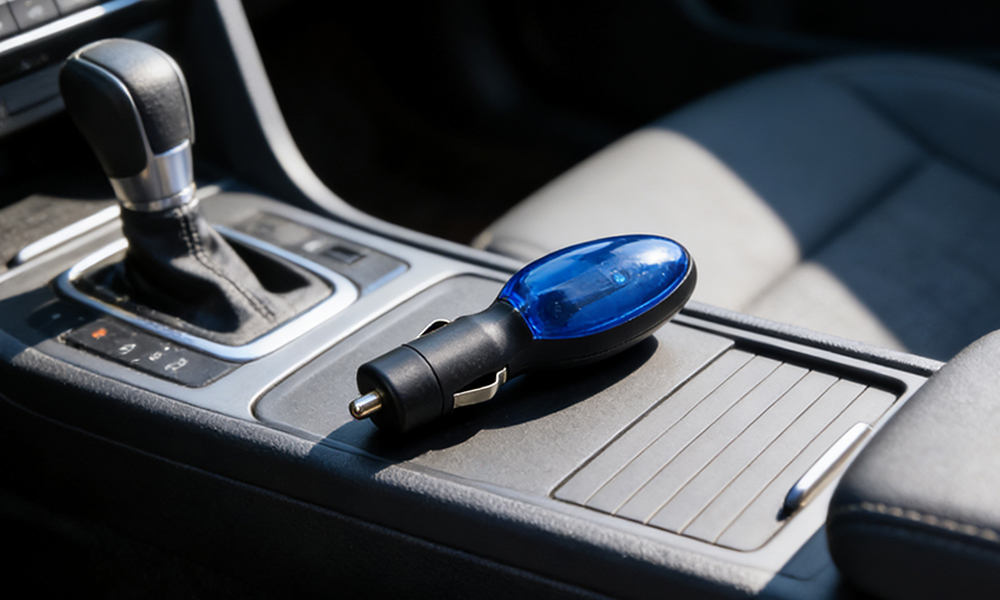
Here Are What People Saying:

Is It Really Worth It?
Let's be real—we're all tired of getting squeezed at the pump.
If you're filling up a
26-gallon tank once a week, even a modest 10% improvement means you're keeping an extra £30 to £40 in your
pocket every month.
In less than 90 days, the Cartekit FuelSync
Nimble Heath pays for itself. After that? It's just pure savings that stay in your bank account
instead of the gas station's register.
⚠️ A Quick Warning on "Knock-offs"
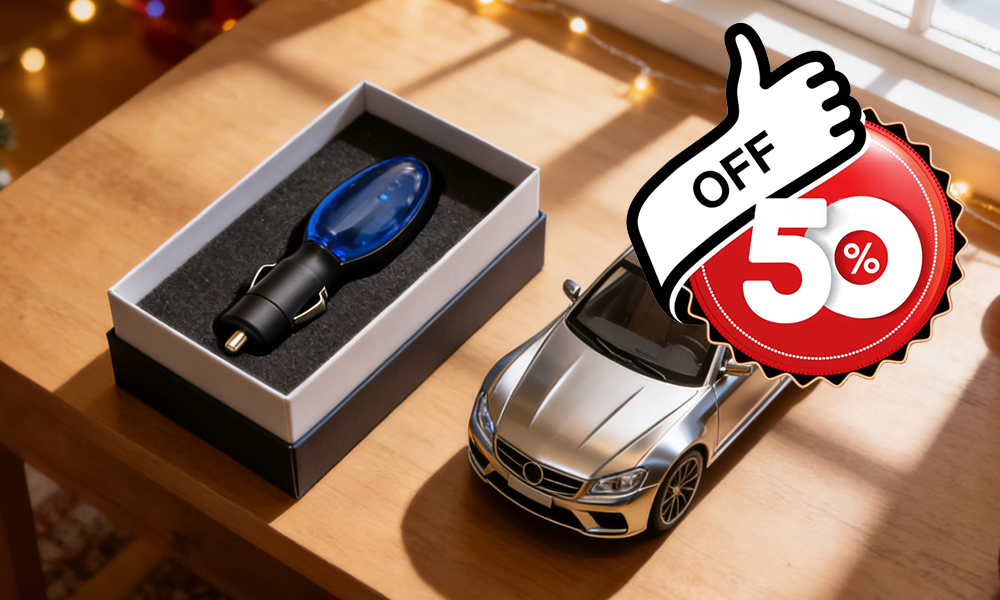
I've started seeing cheap plastic knockoffs
popping up on big marketplace sites for as low as £19. Don't fall for them. Those are the exact kind of
"blue light" scams I got burned by before—and trust me, they're not worth it.
Right now, they're
running a Spring Expansion promotion, and if you click through this article, you can grab an additional
discount—bringing it down to around £39.99.
UPDATE:
They're currently struggling to keep up with the demand from the trucking
community, so if the link still works, I highly suggest securing yours now. You have a
30-day money-back guarantee, so there's literally zero risk. Either you see the extra
miles on your odometer, or you get your money back.